Office Clearance in Brimsdown

Office Clearance Brimsdown provides a focused service for workplaces that need desks, chairs, filing, IT equipment and general office contents removed in an organised way. The aim is to clear usable space with minimum disruption, while keeping the process straightforward for managers, landlords and tenants. Whether the task involves a single room, a floor within a shared building, or a larger commercial unit, the work can be planned around the layout of the site and the items that need to go.
Our office clearance service is designed to deal with mixed contents rather than just one category of waste. That can include furniture, small office appliances, archive material, shelving, partitioning and everyday items left behind at the end of an occupation. Where clients need a more selective approach, we can separate items for reuse, recycling or disposal, depending on what is present and what the building allows us to remove safely.
For a clearer idea of scope and timings, the most useful starting point is to gather a simple list of the areas that need attention and note any access restrictions. Photos can help, but they are not the only way to describe a job. If you are ready to move forward, ask for a quotation and we will shape the response around the clearance you actually need.
What an office clearance can include
An office clearance usually starts with sorting the contents by type so that bulky furniture, loose office equipment and smaller bagged items are handled in the right order. Desks, office chairs, storage cupboards, cabinets and meeting tables often make up the main volume, but many premises also contain monitors, keyboards, printers, paper stock, retail fixtures or kitchen items. A planned clearance helps avoid confusion where one space contains several different kinds of material.
In practical terms, the work can range from emptying individual rooms to clearing an entire commercial interior after relocation, refurbishment or closure. We also handle items that have been left in service areas, storage cupboards or back rooms, where they may have been overlooked during an earlier move. If a site contains some items that should remain in place, the clearance can be limited to the agreed sections so the building is left ready for its next stage.
Typical contents and planning points
A sensible office clearance is usually easier when the client knows which items need to stay and which are to be removed. That may sound simple, but it helps when there are shared spaces or equipment with a mixed use history. It is also worth identifying anything that may require special handling, such as confidential paper archives, fragile screens or heavy cabinets. Clear instruction at the start helps the job move in a steadier sequence.
Furniture, fixtures and bulky items

Many office clearances are driven by the amount of furniture rather than by the number of rooms. Large desks, reception counters, boardroom tables, task chairs and shelving can take up significant floor space, especially when items have been collected over several years. Removing them in the right order matters because it can open access to smaller pieces and help the remaining contents be cleared without repeated lifting.
We also clear mixed office fixtures where the items are not all the same size or material. That can include lockable storage, metal filing units, cupboards, mobile pedestals and display items. Some pieces may be reusable, while others are more suitable for disposal once they have reached the end of their life. A good clearance should reflect that difference instead of treating every object as identical.
If you are deciding whether the job needs full clearance or a partial one, consider how the space will be used afterwards. A phased approach can be useful where only part of a suite is being vacated, or where furniture removal must happen before other contractors arrive. For larger removals, a simple sequence of rooms or zones often makes the work easier to manage and keeps the site more orderly.
IT equipment, paperwork and office contents
Office environments often contain more than visible furniture. There may be computers, monitors, printers, telephone handsets, cables, archived files, stationery and boxed stock tucked into cupboards or under desks. A proper office clearance takes account of these smaller items as well as the main furniture, because they can create delays if they are discovered late in the process. Separating these contents early gives a better result.
Some clients want a clearance that leaves the site stripped back to a bare shell, while others only need excess items removed from selected rooms. We can work to the agreed instruction and keep attention on the contents that matter most. Where paperwork or storage boxes are involved, it is sensible to identify anything that needs to remain on site before the clearance begins, so the wrong items are not mixed into general removal.
Good preparation is usually simple: confirm the areas to be cleared, make access available, and point out any items that are staying in the building. If there are lifts, loading routes or shared corridors, it is helpful to mention those early as well. One clear instruction can prevent the kind of backtracking that slows a clearance later in the day.
Office clearance for moves, refits and endings of tenancy

Office clearance is often needed for different reasons, and the goal changes slightly with each one. A business move may call for selective removal of old furniture and surplus equipment. A refit may need the space emptied so new contractors can start on time. An end-of-tenancy clearance may need the whole unit left in a clean, workable state. The service can be adjusted to suit the purpose rather than forcing the same method on every site.
Where a workplace is being handed back, clients often want the clearance to be thorough and predictable. That usually means covering furniture, loose contents and any items left in shared storage or side rooms. If the building has several zones, it can help to agree the order in which they will be tackled. This is especially useful in occupied premises where one department is moving out before another.
For anyone comparing options, it is worth thinking about more than the visible items alone. Access, floor level, parking, lift use and the amount of sorting involved can all affect how a job is approached. If you need to discuss the practical side before booking, our team can talk through the main details and help you request a quotation that matches the actual work.
Recycling, reuse and disposal choices
A well-run office clearance should not be treated as one undifferentiated load. Furniture and contents may need different destinations depending on their condition and material. Metal items, wooden furniture, plastics, cardboard and electrical equipment are often separated where possible so that the right handling route can be used. That approach is better than sending everything out together without checking what can be recovered.
Recycling and reuse are particularly relevant where the office contains serviceable furniture or equipment that is no longer needed on site. Some items may be suitable for a second life, while others may only be fit for disposal. The point is to make sensible decisions item by item rather than assume that all clearance material follows the same path. If there are specific items you would like kept apart, that should be agreed before removal starts.
Office contents can also include packaging, redundant stationery and mixed rubbish that has built up over time. These smaller items are easy to overlook, but they often create the final stages of a clearance job. A tidy finish depends on removing the obvious furniture and the less noticeable clutter together, so the space can be handed over without extra sorting afterwards.
How to prepare for a quotation

To request a quotation for office clearance in Brimsdown, it helps to provide a straightforward description of the rooms or areas involved. Note the type of office, whether the clearance is partial or complete, and mention any bulky items that stand out. If the premises are on an upper floor or in a shared building, include that too, because access details can influence how the work is planned. The more concrete the description, the easier it is to shape a suitable response.
The most useful details usually cover three things: what needs removing, what must stay, and how the site can be accessed. If you have photographs or a basic room list, they can support the enquiry, but they are not essential if you can describe the contents clearly. For sensitive or tightly managed spaces, it is also worth saying whether the clearance must happen outside normal working hours or around other contractors.
Our pricing and quotes page can help if you want to understand how enquiries are handled before you ask for a figure. Once you are ready, ask for a quotation and we will use the information you give us to keep the process practical and relevant to the job.
Working around access, lifting and site conditions
Office clearances are often straightforward at desk level but more involved once access routes, stairs and narrow corridors come into play. A building may have shared entrances, loading restrictions or limited lift availability, all of which need to be taken into account before the removal starts. This is why it helps to describe the site honestly rather than focusing only on the volume of contents. Access can shape the whole sequence of the job.
Where items are large or awkward, the clearance may need extra care so that walls, doors and floor surfaces are protected as the work progresses. This matters in both older offices and newly fitted spaces, because minor damage can create unnecessary follow-up work. If there are fragile finishes, tight corners or items stored in an upper level, mention them early so the clearance can be approached with the right pace and handling.
Useful information to have ready
- Which rooms, floors or suites need to be cleared
- The main item types, such as desks, chairs, cabinets or IT equipment
- Any items that must remain on site
- Access details such as lifts, stairs, loading points or parking restrictions
- Whether the work needs to fit around other trades or occupancy
Supporting offices of different sizes

Office clearance is not limited to large corporate spaces. Smaller premises, shared work areas, consulting rooms and back-office units can all need the same careful approach when furniture or stock has built up beyond what is currently required. The method changes with the size of the site, but the principle stays the same: remove the agreed contents efficiently, leave the selected items behind, and finish with the area ready for its next use.
Some clients want a single room cleared, while others need multiple work areas handled as part of a broader move or closure. The work can be organised around that requirement without turning the job into something unnecessary. If a site contains a mix of offices, stores and meeting spaces, the most practical route is often to clear them in a sensible order rather than tackle everything at once. That reduces confusion and keeps the site easier to manage.
When you are ready, send the key details and request a quotation. If the job is simple, the answer can be simple too; if it is more involved, the outline can be shaped around the rooms, items and access you actually have. Either way, a direct enquiry is the quickest way to move from planning to action.
About Brimsdown
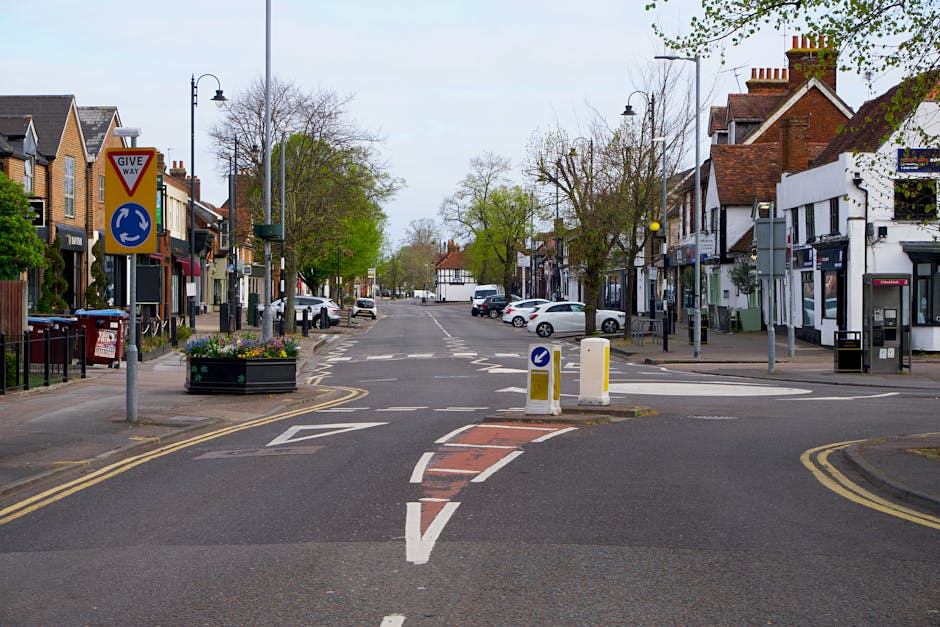
Brimsdown is an area in the London Borough of Enfield, in north London, shaped by both industrial history and residential development. It sits close to the River Lee Navigation and the Lea Valley, a corridor that has long influenced transport, manufacturing and open space in this part of the capital. The area is associated with Brimsdown railway station, which links it into the wider rail network, and with roads that connect it to surrounding districts in Enfield and the lower Lea Valley. Much of Brimsdown’s character comes from this practical mix of industry, housing and movement rather than from a single historic centre. The landscape is varied, with estate streets, commercial premises and pockets of open land sitting alongside older industrial plots and newer redevelopment. Nearby green spaces and waterways connect the locality to the broader Lea Valley regional park landscape, while the surrounding borough adds libraries, sports facilities and civic landmarks. In that sense, Brimsdown is best understood as a working part of Enfield that has evolved over time, retaining an identity tied to commerce, rail access and the shaped terrain of the valley. Its setting gives it a distinctly urban edge, yet the nearby riverside environment and parkland provide contrast with the built-up areas around it.
Office clearance for landlords and managing agents
Landlords and managing agents often need office clearance support when a tenant leaves behind furniture, mixed contents or redundant equipment. In those situations, the aim is usually to restore the suite to a workable state without adding unnecessary delay before inspection, refurbishment or reletting. A clear brief matters because different buildings can have different expectations about what should be removed and how the handover should look when the work is complete.
It can also be useful where a tenant has only partially vacated a premises and some items remain that need to be separated from the rest. That may involve furniture in one unit, archived material in a store room or equipment left in a shared area. The work should follow the agreed scope so that nothing important is taken by mistake and the remaining space is left easier to assess. Use the contact page to ask for a quotation if you want to arrange the next step directly.
For premises that need more than a simple clear-out, an office clearance can be combined with a steady, room-by-room approach. That is often the most sensible way to deal with a building that contains some reusable items, some waste and some objects that need checking before they leave the site. A planned process is usually better than trying to rush the whole job in one pass.
Choosing the right clearance approach
The right office clearance is the one that matches the premises rather than forcing the premises to fit a preset pattern. A small unit with a few large items may need less sorting but more careful lifting, while a busy multi-room office may need more organisation because there are many categories of contents to separate. The practical questions are usually about access, item type, and how much of the building should be left untouched.
Some clients know immediately that they need everything removed, while others only want selected rooms or surplus furniture taken away. Both approaches can work well if the scope is set properly. What matters is clarity. Once the service boundaries are clear, the clearance can be carried out in a way that suits the site, the schedule and the intended next use of the building. If you need to compare options, a short conversation is often enough to narrow things down.
For a straightforward way to begin, gather the main items in mind, note any access points and ask for a quotation. That gives you a practical starting position without overcomplicating the process. Clear instructions, sensible timing and the right scope are usually the ingredients that make an office clearance run smoothly.