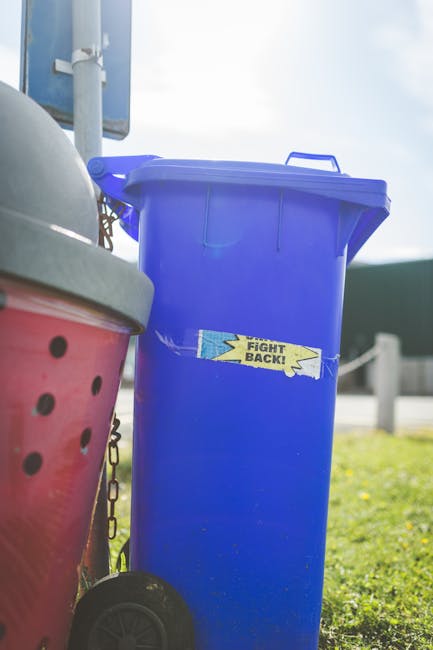
Rubbish collection guide for Bullsmoor Lane Brimsdown EN3

If you live, work, or manage property near Bullsmoor Lane in Brimsdown EN3, rubbish collection can become one of those jobs that looks simple right up until the bags start piling up. A loft clears out, a garden gets trimmed back, a tenancy ends, or a small renovation leaves dust, offcuts, and awkward items in the way. This guide explains the practical side of rubbish collection for Bullsmoor Lane Brimsdown EN3: what to expect, how to plan it properly, and how to avoid the usual headaches. It is written for real-life situations, not tidy theory.
Whether you need a one-off household clearance, recurring waste help for a business, or a more specialised pickup for furniture or builders' waste, the aim here is to help you make a confident decision without wasting time. And, to be fair, that is usually what people want most: less mess, less stress, job done.
Why this guide matters
Rubbish collection sounds straightforward until you are standing beside a pile of mixed waste and trying to work out what goes where. In a busy part of North London, especially around residential streets, access, parking, and timing can make all the difference. One poorly planned collection can leave bags on the pavement too long, create nuisance for neighbours, or simply turn into a bigger job than expected.
That is why a local, practical guide is useful. Bullsmoor Lane and the wider Brimsdown EN3 area include homes, flats, small businesses, workshops, storage spaces, and properties that often need flexible collection arrangements. Different waste types call for different handling: general household rubbish is not the same as old wardrobes, broken fencing, renovation debris, or office clutter. A sensible plan saves time, reduces avoidable damage, and helps the job run smoothly.
There is also a trust issue here. People want to know their waste will be handled properly, not dumped, mixed carelessly, or left sitting around. Good rubbish collection is about more than lifting items into a vehicle. It is about sorting, loading, transport, recycling where possible, and leaving the space neat enough that you can breathe again. That last part matters more than people admit.
For many local jobs, it also makes sense to compare related services such as waste removal, home clearance, or even a more focused furniture disposal option if the load is mainly bulky household items. Choosing the right approach from the start avoids paying for more than you need.
How rubbish collection works locally
In practice, rubbish collection near Bullsmoor Lane usually follows a few clear steps. First, the waste is identified and separated as best as possible. Then the collection is arranged for a suitable time window, taking access and load size into account. On the day, items are removed, loaded safely, and taken away for sorting, disposal, or recycling.
The main thing to understand is that not all collections are identical. A bag of general rubbish, a broken bed frame, and a pile of builder's rubble all behave differently on the ground and on the vehicle. A decent operator will ask a few practical questions before arriving: what needs removing, how much there is, whether it is upstairs, whether there is parking nearby, and whether any heavy lifting or dismantling is required. Simple questions, but they prevent a lot of faff.
For some properties, especially flats or shared buildings, the collection may need a little more care. Stairs, narrow hallways, communal areas, and lift access can all affect how the work is carried out. If you are dealing with a flat, it can be helpful to look at a dedicated flat clearance approach rather than treating it like a standard curbside pickup.
For trade or renovation waste, the process is different again. Builders' rubble, packaging, timber offcuts, plasterboard, and mixed site waste often need a more controlled method. That is where a service like builders' waste clearance can be more appropriate than general rubbish collection. The right method keeps the job cleaner and usually more efficient.
One small but important point: a collection should never mean "put everything together and hope for the best". Separation and correct handling matter. It keeps the process safer, and often more cost-effective too.
Key benefits and practical advantages
Good rubbish collection is not just about getting rid of clutter. It has a few practical advantages that show up quickly once the job is done.
- More usable space: A cleared room, hallway, garage, or garden immediately feels larger and calmer.
- Less stress: You stop stepping around bags, boxes, and awkward leftovers every day.
- Safer access: Fewer trip hazards, fewer blocked walkways, less chance of injury.
- Better presentation: Useful if you are renting out, selling, renovating, or welcoming customers.
- Smarter disposal: Reusable items and recyclable materials can be separated properly.
- Time saved: One well-planned collection often beats multiple car trips and endless waiting.
For landlords, letting agents, and local businesses, the benefit is even clearer. A property that is tidy and waste-free is easier to hand over, easier to inspect, and easier to keep compliant. For homeowners, it can be the difference between a job that hangs around for weeks and a job that is sorted by lunchtime.
There is also a subtle but real emotional gain. A cluttered space can make everything feel heavier. Once the rubbish is gone, people often notice the room, the light, even the smell differently. It sounds dramatic, but it happens all the time.
Who this is for and when it makes sense
This kind of guide is useful for a wide mix of people around Bullsmoor Lane Brimsdown EN3.
- Homeowners clearing out after a long build-up of unwanted items
- Tenants moving out and needing a final clear-up
- Landlords dealing with end-of-tenancy waste or abandoned items
- Local businesses with recurring rubbish, packaging, or old stock
- Tradespeople finishing refurbishments or maintenance work
- Families clearing lofts, garages, sheds, or spare rooms
- Anyone who cannot easily move heavy items to a local disposal point
It also makes sense when your waste is too much for ordinary weekly collection, too bulky for a standard bin, or too awkward to sort out with your own vehicle. A few bin bags? Fine. A broken sofa, boxes of mixed junk, and some old shelving? That is a different story.
If your load includes old beds, tables, cabinets, or domestic clutter, a service such as furniture clearance may be more suitable than a general pickup. For garages full of odds and ends, garage clearance can be the better fit. Same problem, slightly different tool.
Truth be told, the best time to arrange collection is before the mess becomes overwhelming. Once everything is stacked in corners and under stairs, the job gets slower and a bit more irritating. Why make life harder?
Step-by-step guidance
If you want the process to go smoothly, it helps to break it down. Here is a simple way to approach rubbish collection on Bullsmoor Lane or anywhere nearby.
- Walk through the space. Look at what needs removing and group items by type: general waste, furniture, garden cuttings, building debris, or mixed items.
- Separate anything reusable. Keep documents, valuables, donations, and items you want to reuse away from the clearance pile. It sounds obvious, but it is the step people rush most.
- Check access. Think about stairs, gates, parking, and whether items need to pass through narrow hallways. A two-minute look now can save twenty minutes later.
- Estimate volume honestly. A single sofa and a few bags is one thing. A garage full of sorted clutter is another. Be realistic.
- Pick the right service type. General waste, home clearance, office waste, or specialised rubbish collection all have different best uses.
- Choose a suitable time. If the street is busy, early slots can help. If access is restricted, make sure someone can be there to open gates or doors.
- Prepare the items. Put loose bags together, disassemble what you safely can, and keep sharp or heavy items clearly visible.
- Confirm what happens next. Good practice means knowing roughly how the waste will be handled, whether recycling is part of the process, and what cannot be taken.
If you are clearing a whole property, you may find it useful to explore broader services like house clearance or loft clearance. Those are often the cleaner choice when the job is bigger than a simple rubbish run. Different jobs, different rhythm.
A small practical note: if you are sorting through dusty old items in a loft or garage, open windows if you can. Fresh air helps, and so does a torch. Nothing glamorous, but very handy.
Expert tips for better results
After enough clearances, a few habits stand out. They are not fancy, just effective.
- Sort first, lift second: Mixed waste slows everything down. A little sorting at the start can save real time.
- Keep one "maybe" pile only: Too many undecided items create confusion. Decide, or move on.
- Make heavy items accessible: Put bulky loads near the exit if you can safely do so.
- Protect floors and corners: In tight homes or flats, cardboard or coverings can prevent scuffs.
- Ask about recyclables: A service with a recycling focus is generally better for both the environment and the final handling of the load. See recycling and sustainability for the broader approach.
- Plan around neighbours: Early morning noise, parking issues, and shared entrances can all cause friction if ignored.
- Keep paperwork simple: If you are a business, note what is leaving site and when. Good records help later.
One quiet little tip: if you think an item may be valuable, check drawers, cushion covers, and back panels first. People lose keys, photos, manuals, and the odd spare envelope in the strangest places. It happens. More than you'd expect.
For ongoing commercial needs, a structured business waste removal arrangement can be much easier than arranging ad hoc pickups every time bins overflow. That is especially true for shops, offices, and storage-heavy premises.
Common mistakes to avoid
Most rubbish collection problems are avoidable. The awkward part is that people usually only learn the hard way once. Here are the mistakes that come up again and again.
- Leaving sorting until collection day: This is the fastest route to delay and confusion.
- Underestimating the volume: What looks like "a few bags" often turns out to be much more.
- Blocking access: A blocked hallway, parked car, or locked gate can slow the whole process.
- Mixing hazardous or specialist waste with general rubbish: That can create safety and compliance issues.
- Forgetting to keep essentials separate: Documents, chargers, tools, keys, and sentimental items can be buried in the pile.
- Assuming every item can be taken the same way: It cannot. Some loads need different handling.
- Choosing a service on price alone: Cheap can become expensive if the wrong job is booked and extra visits are needed.
There is also a softer mistake: trying to do everything in one rush. Sometimes it is better to clear a room in stages. A bit here, a bit there. Messy, yes. But calmer, and often safer.
Tools, resources and recommendations
You do not need specialist equipment for every clearance, but a few basics make the job easier.
- Sturdy bin bags and sacks for lightweight mixed waste
- Gloves for dusty, rough, or damp items
- Torches or head torches for lofts, garages, and low-light corners
- Cardboard or blankets to protect floors and door frames
- Labels or marker pens if you are sorting items into keep, donate, recycle, and remove
- Basic tools for safe dismantling of shelving or flat-pack furniture
If the job is more complex, it may help to review service pages that match the type of waste. For example, an old sofa, table, or wardrobe may fit best under furniture disposal, while a cluttered shed might lean more toward garage clearance or garden clearance if the mess is outdoors. Matching the service to the waste type is one of the simplest ways to get better value.
For the practical side of booking, the pages on pricing and quotes, payment and security, and insurance and safety are worth a look if you want to understand how a provider should present its service. Small detail, big peace of mind.
Law, compliance, standards and best practice
Rubbish collection in the UK is not just a matter of loading items into a van and driving off. Waste must be handled responsibly, and businesses should follow normal duty-of-care expectations. That means knowing what the waste is, keeping it separate where appropriate, and using sensible disposal routes. For householders, the practical side is simpler, but the principle is the same: don't pass waste to someone who is not handling it properly.
If a job involves commercial waste, there is usually a stronger need for documentation, clear handling, and regular collection arrangements. If it involves building waste, safe loading and responsible disposal matter even more, especially with heavy or sharp materials. For domestic jobs, common best practice still applies: keep access safe, separate anything hazardous, and avoid leaving waste in shared spaces for longer than necessary.
Health and safety also matters. Gloves, sensible lifting, closed footwear, and clear walkways are not overkill. They are just sensible. A bit of care up front can save a pulled back or a smashed doorway later. Nobody needs that kind of afternoon.
If you want to understand the standards behind the service itself, the website's health and safety policy, modern slavery statement, and complaints procedure can help show what a responsible provider should be thinking about. Those pages are not just formalities; they show the service is expected to operate with care and accountability.
One useful rule of thumb: if you are not sure whether an item belongs in general rubbish, stop and check rather than assuming. That tiny pause can prevent a whole lot of trouble.
Options, methods and comparison
There are several ways to deal with rubbish collection in and around Bullsmoor Lane. The best choice depends on what you need removed, how much there is, and how quickly you want it gone.
| Option | Best for | Pros | Limits |
|---|---|---|---|
| General rubbish collection | Mixed household waste, bags, small clutter jobs | Flexible, fast, simple for everyday clear-outs | May not suit bulky items or specialised waste |
| House clearance | Whole-room or whole-property clear-outs | Covers larger volumes and mixed household contents | Can be more than needed for a small job |
| Furniture clearance/disposal | Sofas, tables, wardrobes, beds | Good for bulky domestic items and heavy lifting | Not ideal if waste is mostly general rubbish |
| Garden clearance | Cuttings, soil, outdoor waste, shed items | Useful for messy external spaces | Not suitable for purely indoor clutter |
| Builders' waste clearance | Renovation debris and site materials | Handles heavier, rougher loads properly | Not the right fit for normal domestic waste |
| Office or business waste removal | Commercial rubbish, stock, packaging, office items | Works well for recurring or business-specific needs | May require more planning and documentation |
The comparison is simple, really: use the most specific service that genuinely matches your waste. That is usually the cleanest route, operationally and financially. A broad rubbish collection can work well, but if the pile is clearly one category, the more focused service often makes life easier.
Case study or real-world example
Here is a realistic local scenario. A family on Bullsmoor Lane had been using the spare room as a storage space for years. It had the usual mix: broken shelving, bagged clothes, old toys, a disassembled bed base, and a few cardboard boxes that had somehow survived three house moves. Nothing dramatic, but enough to make the room feel cramped and unusable.
They started by pulling out valuables and anything they still wanted to keep. Then they separated furniture from loose waste, and put the rubbish in one corner and the reusable items in another. There was no heroic "one big day" approach. Just a sensible sequence. By the time the collection arrived, the access was clear, the heavy pieces were near the door, and the job moved quickly.
What made the difference was not effort for effort's sake. It was preparation. A small amount of sorting beforehand saved time on the day and reduced the chance of items being missed. The room looked strangely bigger by the afternoon, and they could finally use it properly. Not a grand transformation. Just a calm, practical one. Often that is enough.
Another common version of this story happens in small businesses. A shop or office accumulates packaging, out-of-date stock, and worn furniture. Eventually, the clutter affects stockroom access or even fire safety routes. A planned collection can clear the pressure quickly, especially when paired with a sensible office clearance or ongoing business arrangement.
Practical checklist
Use this checklist before collection day. It is simple, but it catches most of the avoidable issues.
- Identify exactly what needs removing
- Separate keep, donate, recycle, and remove piles
- Check access routes, stairs, doors, and parking
- Put heavy or bulky items where they can be reached safely
- Remove personal items, documents, and valuables
- Keep hazardous, sharp, or specialist waste separate
- Make sure someone is available if access is needed
- Choose the service that best matches the waste type
- Confirm any special handling requirements in advance
- Leave walkways clear so the job can be done safely
Expert summary: the best rubbish collection outcomes usually come from a mix of simple preparation, the right service choice, and clear access on the day. That is the heart of it. Nothing flashy. Just good planning and a clean finish.
If you are comparing providers or want to understand more about the company behind the service, the about us page can help, and the contact page is the natural next step when you are ready to discuss a job. For broader information about the company's commitment to site conduct and trust, accessibility statement and privacy policy are also useful reading.
Conclusion
Rubbish collection on Bullsmoor Lane Brimsdown EN3 does not need to be complicated, but it does need to be thought through properly. The right approach depends on the type of waste, the access at your property, the volume involved, and whether you need a one-off collection or a more structured clearance. If you treat it like a small planning job rather than a last-minute rush, the whole process tends to go much better.
That is the main point of this guide: choose the right method, prepare the space, avoid the common mistakes, and keep safety and compliance in mind. Do that, and even a messy clearance becomes manageable. Some days are like that. A bit of order, a bit of effort, then relief.
Get a free quote today and see how much you can save.
When the clutter is finally gone, the space feels different in a way that is hard to describe until you have lived it. Lighter, quieter, easier. And honestly, that is a good feeling to end on.
Frequently Asked Questions
What does a rubbish collection service usually take away?
It usually covers general household rubbish, bagged waste, bulky items, light mixed clutter, and in some cases furniture or garden waste. The exact load depends on the provider and the type of service you book.
How do I know whether I need rubbish collection or house clearance?
If you only have a small-to-medium pile of waste, rubbish collection is often enough. If you are clearing whole rooms, a loft, or an entire property, house clearance is usually the better fit.
Can I book rubbish collection for a flat on Bullsmoor Lane?
Yes, but flats often need more planning around stairs, lifts, access, and communal areas. A more targeted flat clearance style service may be the easiest option.
What should I do before the collection team arrives?
Sort items into keep and remove piles, clear access routes, and separate anything fragile, valuable, or hazardous. A little prep makes the collection quicker and less stressful.
Is furniture treated differently from general rubbish?
Usually, yes. Bulky furniture often needs more handling and space, so a furniture clearance or furniture disposal option may be better.
Can builders' rubble and renovation debris go with normal rubbish?
Not always. Heavy or sharp construction waste is usually better handled through builders' waste clearance, which is set up for that sort of material.
How do businesses manage recurring waste more efficiently?
Many use regular business waste removal so the waste does not pile up and become a weekly scramble. It is often simpler than ad hoc pickups.
What if I only need to remove old items from a garage or garden?
Then a focused service can help. Garage clearance and garden clearance are useful when the waste is mainly in one area.
How can I avoid paying for more than I need?
Match the service to the waste type and be honest about the amount involved. If you only have bulky domestic items, a specialised approach may be more cost-effective than a full-property clearance.
Is it worth separating recyclable items before collection?
Yes. It often helps the process run more smoothly and supports better waste handling overall. If sustainability matters to you, the recycling and sustainability page is a useful place to understand the wider approach.
How far in advance should I arrange the collection?
As soon as you know the waste is building up, especially if access is tight or the job needs careful planning. For busy times or larger jobs, booking ahead gives you more flexibility.
What if I am not sure what kind of service I need?
That is normal. Start by listing the items and describing access, then use the most relevant service page or make an enquiry. A short conversation usually clears things up quickly, which is a relief when you are already staring at a pile of stuff.